How to use peer influence to help AI adoption spread across your organization.
Throughout this series, I've explored why successful AI adoption is about more than introducing technology: understanding resistance, recognizing what matters to people, creating practical experiences and building psychological safety.
But how does adoption spread from a few curious individuals to become part of how an organization works?
The answer isn't to convince everyone at the same time. People adopt change at different speeds, for different reasons, and often by learning from those around them.
This is where Everett Rogers' Diffusion of Innovations theory offers a useful perspective.
Rogers' theory describes how innovations spread over time. It identifies five broad adopter categories:
Innovators (2.5%) are naturally curious and willing to experiment, even when the outcome is uncertain.
Early adopters (13.5%) recognize an innovation's potential and explore how it could create value. They can influence others through their experience and credibility.
Early majority (34%) are more deliberate and often want evidence that something works before changing established ways of working.
Late majority (34%) tend to adopt once an innovation is more established and widely accepted.
Laggards (16%) are more cautious and may prefer familiar approaches until there is a compelling reason to move.
These percentages are part of the model, not a formula for dividing employees into fixed groups. People may respond differently depending on the innovation, role and experience.
The value of the model isn't in labeling people. It's in recognizing that not everyone needs the same encouragement, evidence or support to embrace change.

In most organizations, some people will already be exploring AI and finding new ways to approach their work.
Innovators are often motivated by the opportunity to experiment. Early adopters can build on that curiosity and help others see where an innovation creates value. Their greatest contribution isn't necessarily how many tools they use or how advanced their experiments are.
It's their ability to make possibilities visible.
A colleague demonstrating how they've saved time on a task, improved an initial draft or approached a problem differently can make AI feel more relevant than another presentation about its potential.
It moves the conversation from "AI could transform the way we work" to "Here's something I tried, what I learned and how it helped me."
That is a tangible starting point for someone still deciding whether AI has anything to offer them.

The transition from early adopters to the early majority is important.
Early adopters may be motivated by curiosity and possibility. The early majority often wants evidence, relevance and confidence. Does it work? Is it relevant to my role? Can I trust the output? Is it worth changing a process that already works?
This is why peer influence matters. A trusted colleague's example can be more persuasive than a broad promise about productivity because it connects AI to people's actual work.
Leaders can make space for colleagues to share practical applications, including what worked and what they learned. The aim isn't to create AI experts, but to make relevant, achievable examples visible.

To influence the wider organization, learning needs to travel beyond the people who first discover something useful. Leaders can:
Create opportunities to share. Give colleagues time to demonstrate how they've used AI. Focus on the task, challenge and outcome, not just the tool.
Make learning visible. Share examples, prompts, tips and lessons in team meetings or internal communities.
Encourage cross-team learning. An idea discovered in one function may spark an opportunity in another.
Recognize curiosity and progress. Celebrate people who explore, learn and share. Not every experiment needs to deliver a major productivity gain to be valuable.
Keep examples relevant. Connect use cases to people's own responsibilities and challenges.
Shared experiences can help more people see a place for AI in their work.

There is an important difference between using early adopters as a source of inspiration and expecting them to convince everyone else.
Enthusiastic colleagues may assume that once others see what AI can do, adoption will follow. But people have different needs and concerns.
Some may need time to build confidence; others may need reassurance about relevance, quality, accountability or the value of their expertise.
Early adopters can help open the door, but they cannot replace the conversations, support and experiences each person needs.
Don't make early adopters responsible for convincing everyone else. Make them responsible for showing what is possible. Let others become curious in their own time.
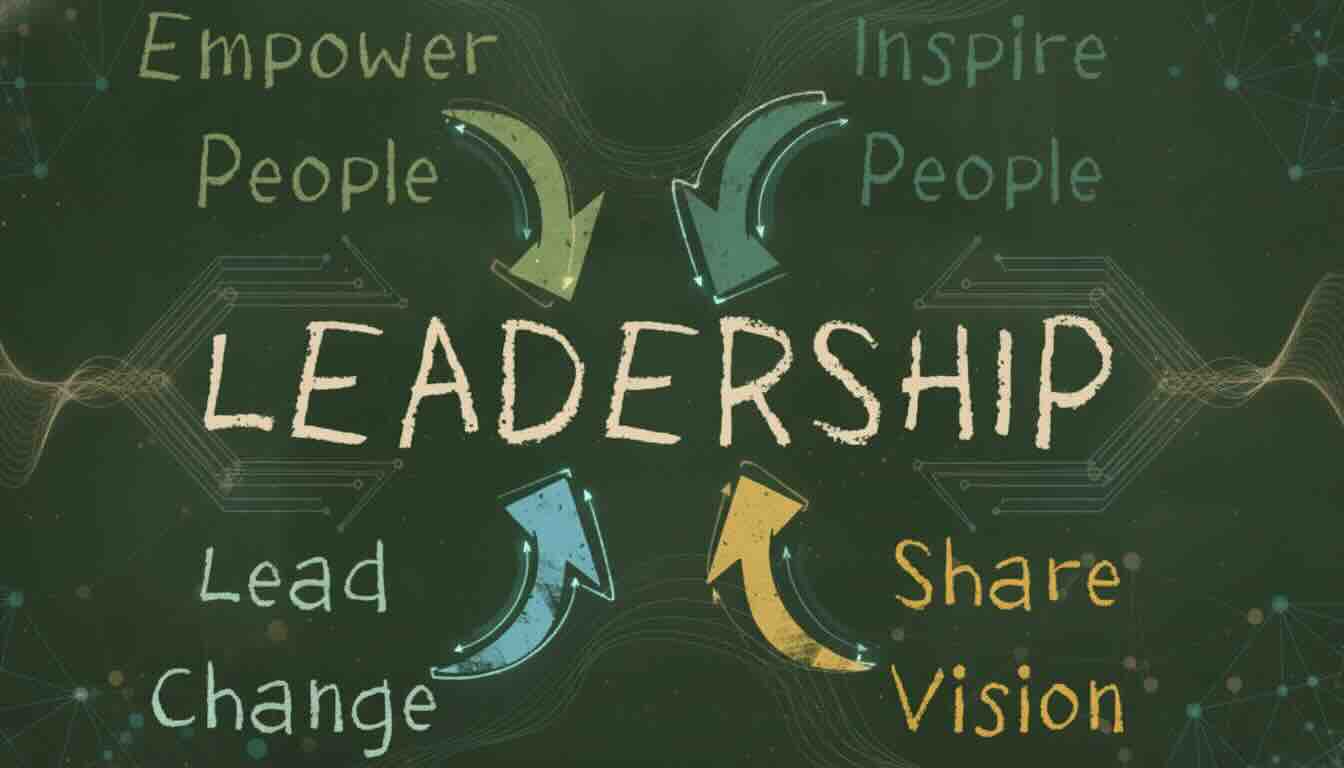
Leaders can recognize people exploring AI, give them opportunities to share and connect their experiences across the organization.
They must also ensure everyone has access to appropriate tools, clear guidance, learning opportunities and time to experiment.
The role of leaders is not to manage the spread of enthusiasm, but to create the conditions in which useful experiences, practical insights and confidence can spread.
Adoption isn't a race. The goal isn't identical use across teams, but helping people find meaningful value while using AI responsibly and retaining human judgment.
Across this series, the journey has been:
Understand the resistance: Explore what is driving people's reactions to AI.
Understand what matters to people: Look beneath visible behaviours to values, beliefs, needs and experiences.
Create opportunities to experience AI: Help people discover practical value through their own work.
Build psychological safety: Give people the confidence to experiment, ask questions and learn.
Let adoption spread: Use peer experiences and early adopters to make new possibilities visible.
These aren't sequential steps, but connected parts of an ongoing journey. Adoption develops as people discover value, build confidence and share what they learn.
We don't need to make everyone an AI enthusiast. We need to understand what matters to people, help them experience AI's value and create an environment where learning can spread.
Some will lead the exploration; others will follow when they see relevant examples. Both are important.
Successful AI adoption isn't about getting everyone excited about the technology. It's about helping people discover how it can make a meaningful difference to the way they work — and creating the conditions for that discovery to spread.
And perhaps that's the real opportunity for leaders: not simply to introduce AI, but to help people move forward together.
This concludes The Human Side of AI Adoption series. Across these five articles, we've explored why successful AI adoption depends not just on the technology we introduce, but on the people who experience, shape and ultimately make it part of how work gets done.