Why people need to feel safe, supported and empowered to explore new ways of working.
In my previous articles, I've explored why successful AI adoption starts with understanding people, why we need to look beneath the surface of people's responses to change, and how practical experiences can help build curiosity and confidence.
But there is another important ingredient in this journey.

People will naturally have different questions about AI. Some may wonder whether it is easy to use. Others may be interested in how it could support their role, whether they can trust the outputs or how it might help them work more effectively.
These questions are valuable starting points for learning.
Rather than relying solely on general presentations or demonstrations, we can create practical opportunities for people to explore those questions themselves.
For example, introduce a simple, familiar task. Ask AI to summarise a piece of text, structure an idea or create a first draft of something they already know how to do.
Invite people to explore how AI could support an everyday activity, such as preparing for a meeting, organising information, structuring a report or exploring ideas for a project.
Encourage them to review the results, check information, ask follow-up questions and refine the output.
Through this process, people begin to understand that using AI effectively isn't simply about asking a question and accepting the answer. It involves their own knowledge, judgement and expertise.
Once they have experienced a few practical applications, encourage them to think more broadly.
Could AI help them approach a task differently?
Could it give them a fresh perspective?
Could it help them spend more time on work they find valuable?
The aim is to move beyond learning what AI does and towards discovering what it could make possible.
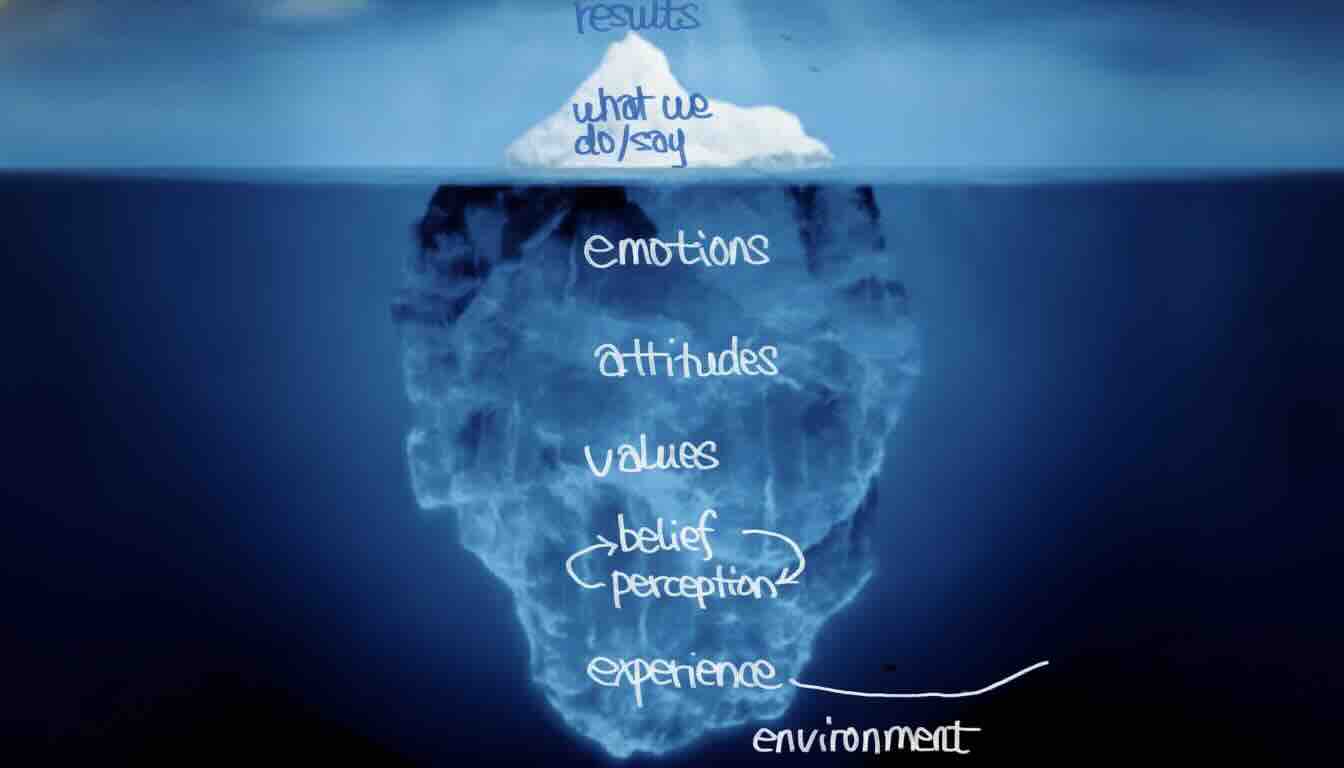
I believe relevance is one of the most important ingredients in successful AI experimentation.
We can show people impressive examples of AI writing emails, creating images, analysing information or generating ideas. These demonstrations can be inspiring, but their impact depends on whether people can connect them to their own work.
The same example won't resonate with everyone.
For one person, the opportunity might be reducing the time spent preparing reports. For another, it could be organising information, preparing for customer conversations or exploring different approaches to a problem.
The starting point should be understanding what people actually do and where they might benefit from support.
Ask questions such as:
Which tasks take up most of your time?
What activities do you find repetitive?
Where would you like more time to focus?
What would you like to explore or do differently?
These conversations help people identify opportunities that are meaningful to them. They also shift the focus from using AI because the organisation wants them to, towards exploring AI because they can see how it might help.
The best first AI experience isn't necessarily the most impressive one. It's the one that makes someone think: "I can see how this could help me."

There is a real difference between watching someone use AI and experiencing it yourself.
When people watch a demonstration, they see someone else's process and results. When they experiment, they become active participants in the learning. They can try their own instructions, add context, ask follow-up questions and see how the responses change.
A simple exercise could be to ask everyone to bring one task from their everyday work and explore how AI might help with it. They could try an initial instruction, review the response and experiment with ways to improve it.
Then invite them to share what they discovered.
What worked well?
What surprised them?
What would they use again?
This creates a much richer learning experience than simply showing people a collection of prompts or features.
Leaders can support this by creating an environment where experimentation feels natural. Some useful approaches include:
Start small: Give people simple, low-risk opportunities to explore AI using familiar tasks.
Encourage curiosity: Invite people to ask questions and experiment with different approaches.
Share experiences: Create opportunities for colleagues to exchange ideas and discoveries.
Celebrate learning: Recognise useful insights and improvements, not just impressive results.
Make time to practise: Allow people to explore AI as part of their working day, rather than expecting confidence to develop through a single training session.
It is also important to explore both the strengths and limitations of AI. People need to learn how to review outputs, check accuracy, consider potential biases and apply their professional judgement.
The more people understand the technology through practical experience, the more confident they can become in deciding when and how to use it.

One of the most interesting opportunities with AI is exploring how it can complement the knowledge and experience people already have.
For many professionals, their expertise has been built through years of learning, problem-solving and understanding their customers, colleagues and organisations.
AI creates an opportunity to build on that expertise.
It might help someone generate ideas they can develop further, organise information so they can focus on analysis, or provide an initial perspective that they can challenge and improve.
The value comes from combining what AI can contribute with what people bring.
AI can generate possibilities, but people provide context, judgement, experience and direction.
This is an important message to reinforce during experimentation. The purpose isn't to demonstrate that AI can do someone's job better. It is to help people discover how it might support them in doing their work differently or more effectively.

Of course, the goal isn't simply to get people to try AI once.
A positive first experience can spark curiosity, but meaningful adoption develops when people find applications that are useful and relevant to their everyday work.
I find it helpful to think about this as a journey:
1. Experience – I have tried AI and discovered what it can do.
People get their first opportunity to interact with the technology and explore its capabilities.
2. Discovery – I have found something useful.
They identify an application that is relevant to their work and gives them a reason to explore further.
3. Confidence – I understand how to work with it.
They become more comfortable giving instructions, reviewing outputs and applying their own judgement.
4. Application – I am using it in real working situations.
They begin to apply what they have learned to tasks and activities where AI adds value.
5. Integration – I am finding new ways to work.
They start adapting aspects of their approach or workflows because they have discovered meaningful ways to work with AI.
Not everyone needs to reach the final stage with every AI tool or task. The objective isn't to use AI for the sake of it. It is to help people recognise where it can make a positive difference and use it appropriately.
A small, positive experience can become the starting point for a new way of working.

There is an opportunity for leaders to rethink how they introduce AI.
Rather than focusing exclusively on communicating capabilities and providing formal training, we can make experimentation a natural part of the adoption journey.
Imagine creating regular opportunities for teams to explore practical AI applications. People could bring real work challenges, experiment with different approaches and share what they discover. Colleagues could exchange ideas and inspire one another to try something new.
These experiences don't need to be complicated or time-consuming. What matters is that they are relevant, accessible and connected to the work people do.
Over time, this can help create a culture of curiosity and continuous learning, where people feel encouraged to explore the possibilities of AI and develop their confidence together.
A practical, relevant experience can create a connection that a presentation or explanation alone may not achieve. It can spark curiosity, build confidence and help people identify new opportunities in their own work.
And that is an important shift: moving from telling people why they should use AI to helping them discover why they might want to.